Trump's AI Energy Dividend Plan: What the Numbers Really Mean
The president is pushing a mandate for AI data centers to provide financial dividends to local communities to offset rising energy costs.
By Eduardo Salazar ·
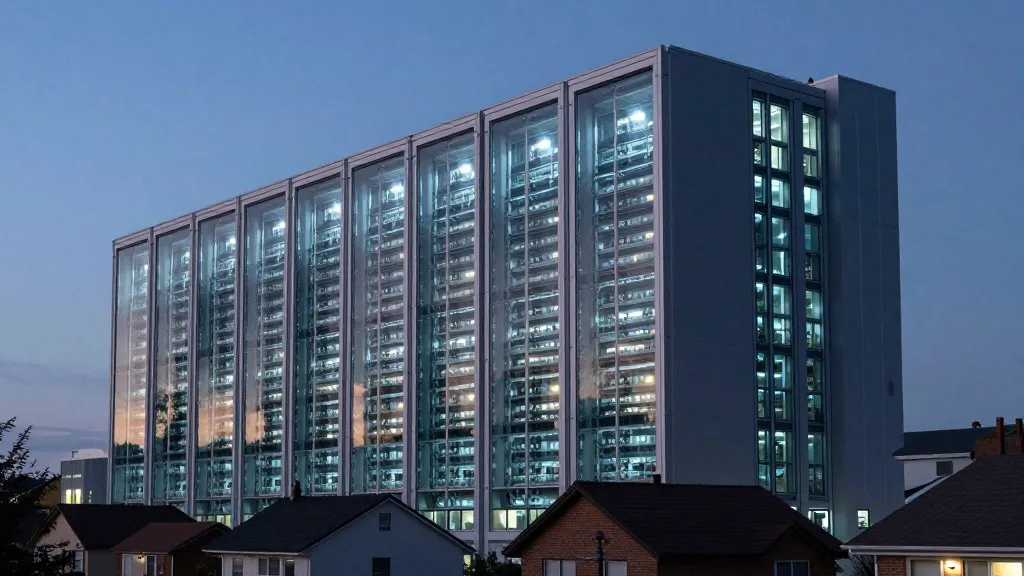
A new federal push is underway to address the growing friction between AI data centers and the communities they are built near.
President Donald Trump announced a plan in a recent Truth Social post to require AI companies and data center builders to provide a financial dividend to local communities. The stated goal is to help offset rising energy costs, or even bring them down, to make data centers more palatable to residents. This plan builds on a previous order requiring these companies to generate their own electricity. The new component is a mandate that any excess power generated must be given or sold back to the local community.
This initiative is a direct response to protests from communities across the U.S. facing the negative impacts of these facilities. Issues cited include increased electricity costs, noise pollution, water shortages, air pollution, and deforestation. The administration's push is framed as a way to win back public support for building more data centers while attempting to stay ahead of China in the AI race.
President Trump wrote in his post, “Data Centers that were highly unpopular in a certain area have become extremely popular when a financial deal is struck.” He concluded the message by stating, “MAKE DEALS, and get them built!!!”
While the plan is intended to ease financial pain for residents, the practical details of how these dividends would be distributed are not yet clear. The focus on electricity suggests the payments could be used to help cover rising energy bills for homes near the data centers. A recently passed act also requires data centers to pay for grid upgrades, ensuring those costs are not passed to local taxpayers.
It remains to be seen if these financial measures will be enough to overcome other significant concerns. The massive water consumption, potential for ecological damage, and pollution associated with data centers are major challenges that persist regardless of any financial agreements. The long-term viability of such a plan is also uncertain, as the economic aspect is only one part of a much larger set of issues.
Whether this approach will be effective in building community support for data centers is not yet known. The administration's goal is to facilitate the construction of more facilities, but the plan's success hinges on resolving the underlying problems that have led to local opposition.
Source: Tom's Hardware