Dunedin Students Find Warmth in Smaller Rooms
Local flatting advice suggests that compact bedrooms reduce heating costs and foster a more intentional approach to personal space during the university year.
By Amanda Delgado ·
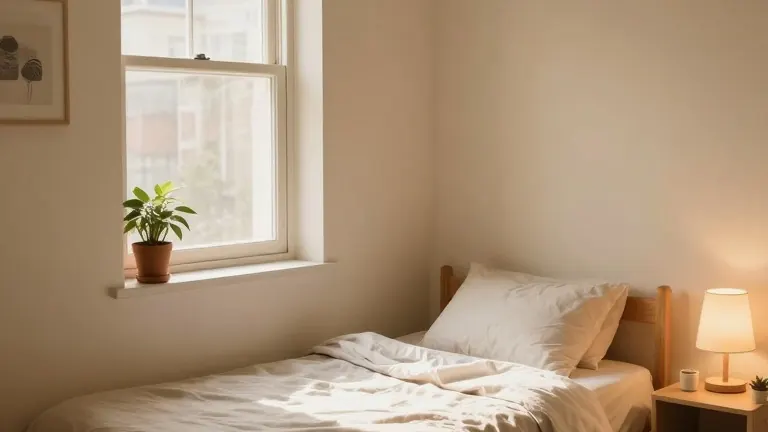
A room only a few centimeters wider than a queen-sized bed can hold a full academic year for a Dunedin student. The author of a new guide for local flatmates describes living in such a compact space and found that the limitation offered distinct advantages over larger bedrooms. The advice targets students who have just signed leases and are facing the anxiety of room selection. The core argument is that the smallest room is often the most practical choice for budget-conscious and cold-sensitive tenants.
The author recommends using a random draw to assign rooms, a method they used in a previous flat in Te Mātiti. This approach removes the social pressure that often forces one person to accept the least desirable space. By removing the element of negotiation, the resident accepts the room size as a matter of luck rather than a loss in a group argument. This mindset shift allowed the author to stop feeling defensive about the limited square footage and start viewing the space as a personal challenge.
Storage management becomes a primary concern in smaller quarters. The author suggests that limited space forces a rigorous purge of accumulated belongings. Items are sold, donated, or given to incoming freshmen. Furniture with integrated storage is prioritized to maximize utility. The author notes that finding such items is easier in late winter, when many departing students offload their goods to avoid transport costs.
The physical layout of a small room encourages different habits. The author spent considerable time on large windowsills, a feature that would likely be ignored in a larger room. This forced creativity leads to a deeper familiarity with the space, including the location of power outlets and the angle of afternoon sunlight. The author also advises removing desks from tiny rooms, arguing that students rarely study in their beds and that the furniture often becomes a cluttered storage area for miscellaneous items.
Heating efficiency is a major financial benefit of a compact room. The author notes that their small room reached a warm temperature quickly after the central heat pump was turned on. A flatmate in a room three times the size required a sleeping bag to stay warm despite double glazing. The author used a personal heater fewer than ten times during the year, resulting in a lower contribution to the shared power bill.
The guide concludes by encouraging students to view their room as a private sanctuary regardless of its dimensions. The author developed a strong attachment to the space by the end of the year, citing the ease of accessing all possessions without leaving the bed. The advice suggests that students should decorate to create a cozy atmosphere and embrace the constraints of the space rather than complaining about them.
The next step for students is to view their upcoming residence with a focus on functionality and warmth potential. The guide is available for students preparing to move into flats in the Otago region. The author plans to continue sharing tips on maximizing small living spaces for the incoming cohort.
Source: Critic Te Ārohi