Iran War Economics: Central Command Values Conflict at $47.1 Billion
The Pentagon's latest accounting details the high price of munitions, even as Tehran rejects a Qatari peace draft and Israeli elections yield no clear winner.
By Camila Wisniewski ·
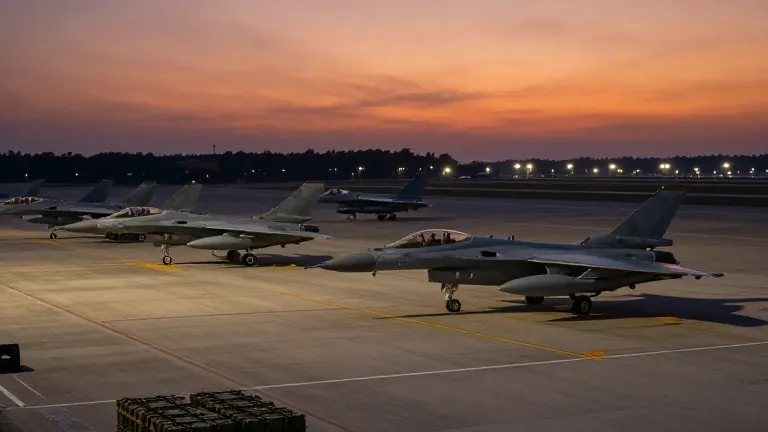
The United States military has spent at least $47.1 billion on the war with Iran as of mid-October, according to a new estimate from U.S. Central Command. The figure was obtained by CBS News and released on Tuesday. The cost does not include damage to U.S. military bases in the Middle East. The largest portion of the expenditure, $29 billion, went toward replacing expended munitions.
A nonpartisan Congressional Budget Office report from September estimated that the conflict would cost between $2 billion and $3 billion per month for as long as it continues. This current total reflects the accumulation of those monthly costs over the duration of the active fighting.
The financial toll rises against a backdrop of stalled diplomatic efforts. A senior Iranian official denied on Wednesday that Qatar had presented Tehran with a new peace proposal. The official told Reuters that Qatari mediators arrived with "unacceptable" ideas instead. This statement contradicts earlier reports from the same agency, which cited a briefed official saying Qatari mediators handed Iran a new draft deal on Sunday.
The Iranian official said Tehran would show no flexibility on the nuclear issue. Sources indicated that Tehran is considering the proposal and is set to respond by the end of the week. Officials in Tehran expressed concern before the Sunday meeting that Israel might resume its bombardment of Iran.
While the war continues, Israelis voted in a national election on Tuesday. Exit polls from major television networks project that a majority of voters rejected Prime Minister Benjamin Netanyahu's coalition. Despite this, his Likud party emerged as the largest single party. Neither the Netanyahu bloc nor the opposition has a clear path to a majority. A government requires support from at least 61 of the 120 seats in the Knesset.
Israel's two Arab parties won more seats in this election than in any previous vote. Some Arab voters told CBS News that the period under the hard-right government was difficult, prompting a historic turnout for the minority community. Arab citizens make up roughly 20% of the population. Both Netanyahu and his opponents have vowed not to form a government reliant on these parties. They argue that such a coalition would endanger the country if those parties gained enough influence over Israel's engagement in its conflicts.
The election results suggest a potential stalemate in forming a stable government. This political uncertainty occurs while the U.S. military continues to fund the conflict at a high rate and while peace negotiations remain in a state of dispute over the terms of the draft.
Source: CBS News