King Tides: Coastal Floods Reach Record Levels
High water levels in California and Florida have forced street closures and inundated businesses, with forecasters warning of conditions lasting into the weekend.
By Rebecca Caldwell ·
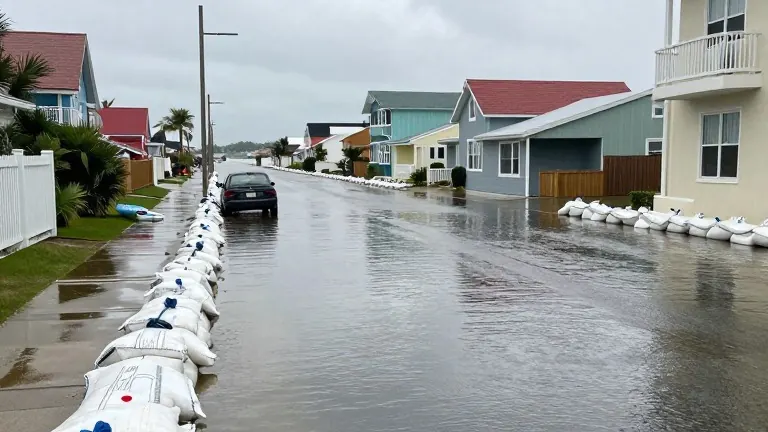
Water levels in Virginia Key, Florida, reached their highest point since records began three decades ago, surpassed only by hurricane surges. Chris Fisher, a National Weather Service meteorologist in Miami, noted that this marks a historical peak for king tides. The event is part of a widespread weather pattern affecting both U.S. coasts simultaneously.
The flooding began earlier this week following the full moon. Forecaster data shows the tides will persist through the weekend in certain regions. King tides result from the gravitational alignment of the Earth, moon, and sun. These events occur several times a year and can last for days. This specific instance was intensified by additional atmospheric and oceanic factors.
In Florida, high pressure systems to the north and low pressure over the Caribbean created increased swells. Along the California coast, a strong El Niño event warmed the ocean, increasing seawater volume. Meteorologist Roger Gass at the Bay Area forecast office in Monterey identified Kelvin waves as another contributor. These waves are pulses of warm water that lift sea levels.
Residents in Huntington Beach, California, placed sandbags outside homes on Wednesday to block incoming water. Some locals used paddleboards and surfboards to travel through flooded streets. Portions of the Pacific Coast Highway were closed. Orange and San Diego counties are projected to see tides approach record levels.
In Northern California, minor flooding is expected in low-lying shoreline areas through Saturday. Gass stated that flooding generally occurs within one and a half hours before and after high tides. Peak high tides are currently running 1.9 feet above normal levels in the region.
Most of Florida's Atlantic coast remains under flood warnings through early Friday. Street flooding was reported in Charleston and Myrtle Beach, South Carolina. Rip currents are possible as far north as North Carolina's Outer Banks. In Fort Lauderdale, attendees of a major boat show had to drive through flooded streets near marinas and convention centers.
Fisher described the current conditions as a rough beach week. High surf and a high risk of rip currents have continued. He advised people to stay out of the water and away from beaches through the weekend. The weather service expects these elevated water levels to continue until the weekend forecast clears.
Source: WCCB