African trade ministers warn Middle East war is spiking food costs
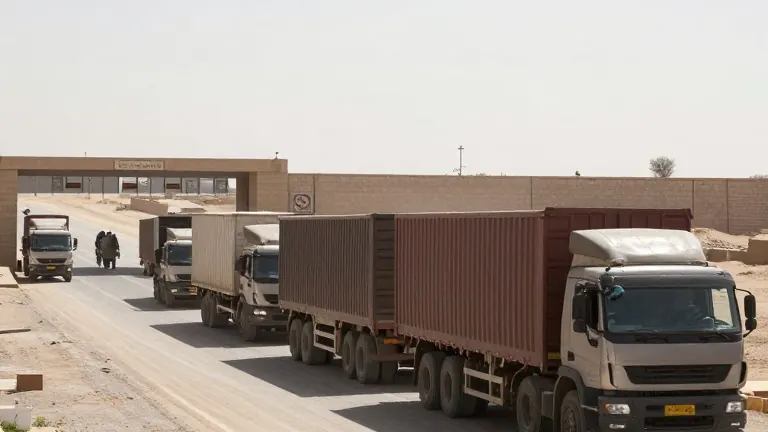
Fuel and fertilizer prices are climbing across the continent as the conflict disrupts the Strait of Hormuz, forcing governments to protect agricultural yields.
By Amanda Delgado ·
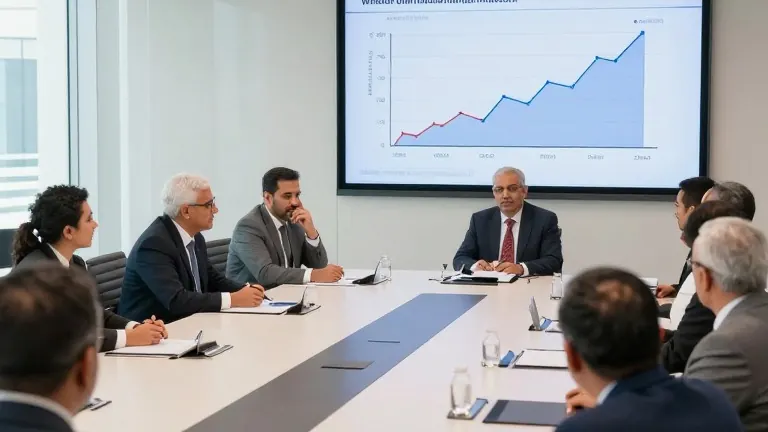
Trade ministers from Zimbabwe and Uganda told UN Trade and Development officials on Monday that the war between the United States, Israel, and Iran is driving up the cost of food for African consumers. Luz Maria de la Mora, director of the Division on International Trade and Commodities at UNCTAD, stated that the conflict requires a resolution sooner rather than later to prevent further economic damage.
The disruption in the Strait of Hormuz, a waterway that previously carried one-fifth of global oil and liquefied natural gas trade, has sent fuel and fertilizer prices soaring. De la Mora warned that many nations are now reducing fertilizer usage to manage costs, a move that will likely shrink crop yields and tighten food availability in the coming year.
The economic pressure is already visible in specific national markets. In Zimbabwe, where more than 70 percent of the population relies on agriculture, Minister Monica Mutsvangwa identified rising fuel and fertilizer bills as a critical concern. In Uganda, Minister Sanjay Tanna reported that fuel prices have more than doubled since the conflict began. Tanna noted that the Ugandan shilling has lost 10 percent of its value against the US dollar, a decline that has been steady since mid-2026.
De la Mora observed that supply chain disruptions are lasting longer than initially predicted. She argued that while capital is risk-averse, governments can attract investment by ensuring transparent institutions, the rule of law, and reliable infrastructure such as electricity and digital connectivity.
Zimbabwe is positioning itself as a neutral partner for investors from both the US and China. Mutsvangwa cited the country’s deposits of more than 60 critical minerals, including lithium and graphite, as key assets. She stated that Zimbabwe wants investors to follow local regulations and make a profit while the country develops.
Uganda’s reliance on subsistence farming has provided some cushion against international market volatility, Tanna said. He acknowledged that the global trading system is unequal but argued that Uganda is in a good position because it produces its own food. The Republic of Congo is also pursuing a strategy to retain more value from its resources.
Jean-Jacques Bouya, Deputy Prime Minister for Coordination, Development Infrastructure and Land Planning in the Republic of Congo, said the country is aligning its Vision 2063 plan with African Union goals. Bouya emphasized the need for local processing to stop the cycle of exporting raw materials and buying back finished products at higher prices.
Source: Al Jazeera
More Business · Rip-Off Report · Report a business · Got a Story?