Four Wastewater Seats Up For Grabs
Voters in Cook County decide who controls the $755 million agency managing the city’s sewage and flood infrastructure this November.
By Rebecca Caldwell ·
Four seats on the Metropolitan Water Reclamation District of Greater Chicago board appear on the November 3 ballot. The election determines who oversees wastewater treatment and stormwater management for Chicago and 128 surrounding communities. Commissioners serve on a nine-member board that operates independently of city and county governments.
Three incumbents face challengers in races for six-year terms. Eira Corral Sepúlveda, Precious Brady-Davis, and Beth McElroy Kirkwood run against Republican candidates Michelle Pennington, Timothy E. Rueckert, and Jill B. Shestokas. Voters may select up to three candidates for these positions. The three names receiving the most votes secure the seats.
A separate race involves a two-year term to fill an unexpired seat. Incumbent Cameron Davis runs unopposed in this contest. Davis seeks to complete the remaining portion of the term. This seat is decided independently from the three six-year races.
The district’s financial power rests on property taxes. The 2026 budget includes $755.7 million in property tax revenue. The agency projects its 2027 budget at $782.4 million. Commissioners manage this spending and oversee major infrastructure decisions affecting the region’s water systems.
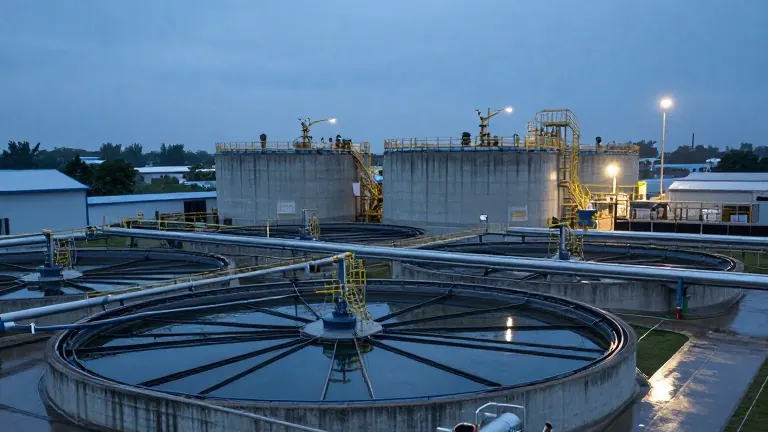
The agency was created in 1889 to stop sewage from contaminating Lake Michigan. It built the Chicago Sanitary and Ship Canal to reverse the flow of the Chicago River. Today, the MWRD treats water at seven plants. The Stickney Water Reclamation Plant in Cicero handles a large share of the city’s wastewater before it moves toward the Gulf of Mexico.
Heavy rainfall exposes limits in the current infrastructure. The Tunnel and Reservoir Plan, known as Deep Tunnel, stores excess water during storms. In July, persistent rain pushed the McCook Reservoir to 96% to 100% capacity. The Thornton Reservoir reached 94% full during the same period.
These high levels triggered untreated sewage overflow into the Chicago River. The event illustrated the strain placed on the system during extreme weather. Commissioners will guide the district’s response to such events as it continues to manage increasingly heavy rainfall patterns.
The agency treats wastewater from homes and businesses before releasing it into the environment. It also manages stormwater to reduce flooding and protect waterways from pollution. The upcoming election places these operational and financial responsibilities under the direction of newly elected officials.
Source: Chicago Sun-Times