Lula wins Brazilian presidency, complicating Trump's regional plans
The re-elected leader faces four more years in office while navigating renewed trade and tech disputes with Washington.
By Camila Wisniewski ·
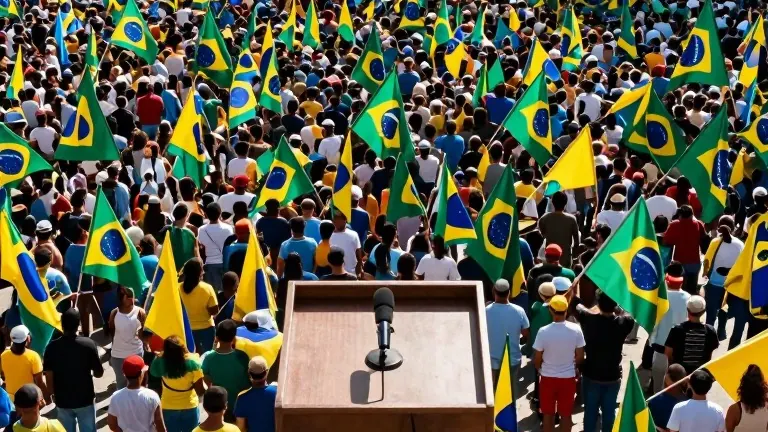
Luiz Inacio Lula da Silva secured a second non-consecutive term as Brazil's president, a result that challenges President Donald Trump's strategy for the Western Hemisphere. Lula declared in his victory speech that Brazil would not accept being anyone's backyard, a message aimed directly at Washington. The election outcome complicates Trump's effort to consolidate US dominance in the region, a strategy he has named the Donroe Doctrine.
Trump initially expressed mixed feelings about the result. He stated that he liked Lula and that they got along well, yet he also described the election as terrible and rigged. Flávio Bolsonaro, Lula's rival, has refused to recognize the outcome despite the Supreme Electoral Court finding no evidence of irregularities. Trump did not explicitly endorse Flávio Bolsonaro but maintains a close alliance with the former president's father, Jair Bolsonaro.
The campaign centered on domestic issues, but Lula effectively used his defiance of US interference to rally patriotic support. As a former union leader, Lula framed the election as a fight against powerful figures. He wore a cap reading Brazil belongs to Brazilians and accused the Bolsonaro family of being unpatriotic. This approach boosted his approval ratings and even drew support from some agricultural leaders who rely on US trade.
Brazil is the largest economy in Latin America and holds the world's second-largest reserves of rare earth minerals after China. The US had been seeking preferential access to these resources. Analysts noted that Trump viewed Brazil as the tenth and biggest prize in his regional strategy. Flávio Bolsonaro was expected to join the Shield of Americas coalition, a group focused on combating narco-trafficking.
Tensions between the two nations have already surfaced. Brazil accused the US of casting doubt on its electoral system earlier in the year and denied visas to two State Department officials. The US called this response baseless and revoked the visa of Brazil's ambassador. Lula has also opposed US military actions in the region, including the seizure of Nicolás Maduro in Venezuela and the bombing of drug-trafficking vessels.
The dispute extends to technology. Lula's campaign accused Meta of favoring Flávio Bolsonaro, though the company admitted to technical errors in moderation. Lula's supporters used a WhatsApp group with ten million members to bypass algorithmic changes. Additionally, the Trump administration has expressed dissatisfaction with Pix, Brazil's instant payment system, which it sees as taking business from Visa and Mastercard.
The US remains Brazil's second-biggest trading partner after China. The relationship has thawed since the two leaders met in the Oval Office, where they called their talks very good. However, with four more years ahead for Lula, issues of sovereignty and trade may reignite diplomatic friction.
Source: BBC News