Nvidia CEO's Duck Demo: 20,000 Preorders Surge After Viral GTC Appearance
Jensen Huang's playful interaction with autonomous robots at a recent conference sparked immediate consumer interest, pushing preorders past the 20,000 mark within 24 hours.
By Camila Wisniewski ·
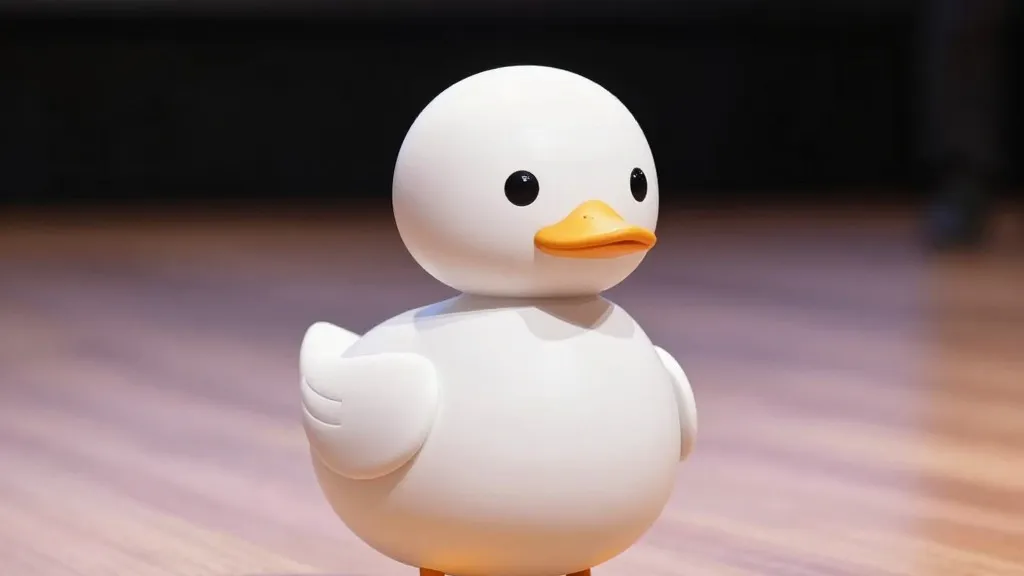
Jensen Huang, the chief executive of Nvidia, recently took the stage at the GTC Berlin conference to demonstrate a new line of autonomous robots, an appearance that quickly captured the attention of the tech community. During the keynote, Huang was filmed interacting with a group of Microducks, small robotic devices designed to mimic the movements of real ducks. The footage showed the CEO engaging with the machines as they waddled across the stage, performing specific behaviors such as sitting, falling over to simulate naps, and executing somersaults in response to voice commands. The charming nature of the demonstration, combined with the high-profile setting, propelled the video to viral status within the industry.
The immediate commercial impact of the keynote was significant. By the following day, preorders for the Microducks had exceeded 20,000 units. Clem Delangue, the head of Hugging Face, confirmed this milestone via social media. The rapid uptake suggests that the product has already begun to position itself as a potential holiday favorite, with delivery dates scheduled to align with the Christmas season. This timing raises questions about whether the device will become a standard gift item or a niche novelty that fails to sustain momentum beyond the initial hype.
Delangue has expressed a more ambitious view regarding the product's market position, suggesting it could become the best-selling robot of the year. Notably, he implied that the primary demographic may not be children. Promotional materials released by the company feature adults interacting with the devices, indicating a strategy to target both hobbyists and general consumers. This approach contrasts with traditional toy marketing, which often prioritizes younger audiences, and suggests that the appeal of the Microducks lies in their interactive and open-source nature rather than their status as a children's plaything.
The corporate lineage of the Microducks adds another layer of complexity to the story. The robots are open-source devices originally produced by Pollen Robotics. Pollen was acquired by Hugging Face in 2025, and Hugging Face was subsequently purchased by Nvidia in September of this year. Consequently, the Microducks are now technically an Nvidia product, despite being developed by a smaller startup. This is Hugging Face's second robotic offering, following the release of the Reachy Mini, another device noted for its cute aesthetic and interactive capabilities.
Technically, the Microducks rely on Nvidia's existing technology stack for their initial functionality. The company used simulations to teach the robots basic tricks, including walking, sitting, and standing, which are pre-loaded at the time of shipment. Pollen Robotics states that owners can train their specific units with new behaviors and share these custom instructions with the broader community. This open-source model allows for a degree of customization that is rare in consumer electronics, potentially extending the product's lifespan beyond the initial novelty factor.
The timing of the launch is particularly notable given the current state of the artificial intelligence industry. This week has been marked by significant tension, with AI involvement being cited as a cause for a series of cyberattacks. The industry has faced scrutiny over the potential risks associated with rapid AI deployment. In that context, the lighthearted nature of the Microduck demonstration serves as a contrast to the more serious concerns dominating the news cycle. The video offers a glimpse into the more playful applications of the technology, providing a respite from the anxiety surrounding security and safety.
The reaction to the video has been largely positive, with many observers noting the difficulty of resisting the urge to purchase the device after watching the demonstration. The combination of a recognizable CEO, cute robot aesthetics, and viral marketing has created a strong initial impression. However, the question remains whether this initial enthusiasm will translate into long-term adoption or if the product will be perceived as a temporary fad.
As preorders continue to roll in, the focus will shift to manufacturing and delivery logistics. The company aims to have the units in customers' hands before the holidays, a tight timeline that will test its supply chain capabilities. If the Microducks achieve the sales volume predicted by Delangue, they will mark a significant entry for Nvidia into the consumer robotics market. The success of this venture could influence how other tech giants approach the integration of AI into everyday household devices, potentially shifting the landscape for holiday shopping in years to come.
Source: TechCrunch · original report published