Tesla Begins High-Volume Production of Optimus Robots at Fremont Facility
The automaker has activated a dedicated line for humanoid robots, aiming for commercial delivery by the end of next year.
By Amanda Delgado ·
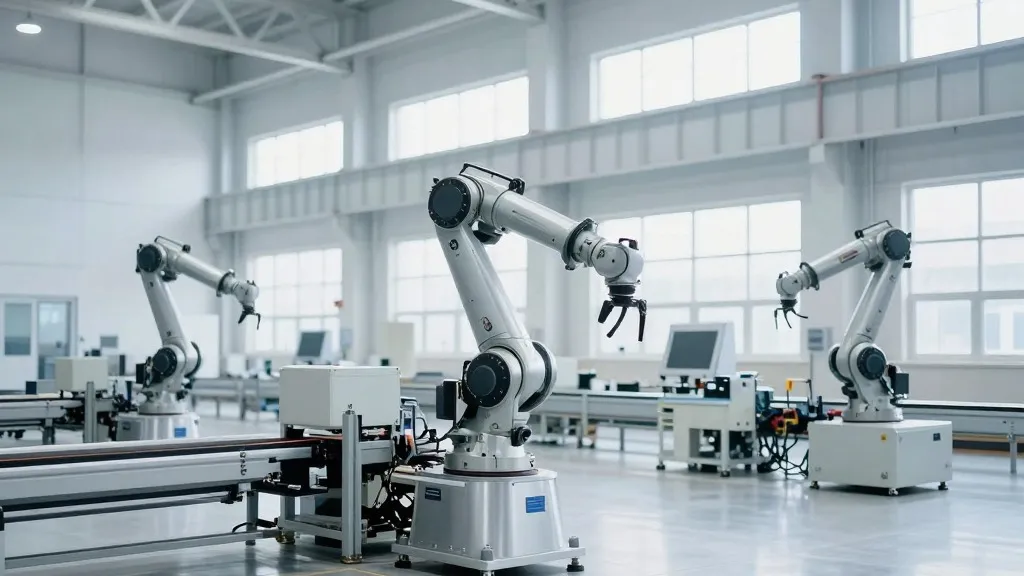
Tesla has initiated the high-volume manufacturing of its Optimus humanoid robot within its Fremont, California facility. The company announced this milestone in its third-quarter shareholder letter, stating that the units emerging from the newly established production line represent the first batch of robots that meet the quality standards required for a commercial product. This development marks a significant shift in the company's operational focus, moving from a prototype phase to a structured industrial output model.
The dedicated production line is situated in the same space that previously housed the assembly of the Model S and Model X vehicles. Tesla cleared the legacy automotive equipment from this area in 46 days to accommodate the new robotics infrastructure. The facility is currently configured to support an annual capacity of one million units. According to statements made during the recent earnings call, the majority of the necessary equipment is already installed in Fremont, with production rates expected to increase steadily toward a target of approximately 20,000 robots per week as the ramp-up process continues.
Elon Musk, Tesla's chief executive, characterized the production growth trajectory as a classic S-curve, noting that the initial phase involves a shallow slope before accelerating. The engineering team is currently focused on refining the robot's artificial intelligence, electromechanical design, reliability, and overall service life. Musk indicated that these refinement efforts are scheduled for completion by the end of next year, at which point Tesla intends to begin delivering Optimus units to external companies. The primary market for these early deliveries will be organizations requiring labor for dangerous, repetitive, or around-the-clock tasks.
A central challenge for Tesla is the acquisition of training data for the robots' AI systems. Unlike the company's automotive fleet, which provides continuous data from millions of vehicles, the Optimus program lacks a comparable existing base of operational units. To address this gap, Tesla has established the Optimus Academy, an initiative designed to deploy between 10,000 and 20,000 robots to practice a diverse array of tasks. The data generated by these units will be used to train and improve subsequent versions of the robot's AI, effectively turning every unit produced at the Fremont line into a source of learning data.
Hardware improvements are also planned for the coming year. Tesla intends to integrate its AI5 chip into the Optimus platform to enhance processing capabilities. Musk stated that a new video demonstration is expected within the next one to two months, which will showcase the robot completing tasks driven by AI rather than preprogrammed motions. During the earnings call, he contrasted these AI-driven capabilities with rival humanoid demonstrations that rely on scripted routines, asserting that such scripted approaches would struggle to maintain performance in real-world environments.
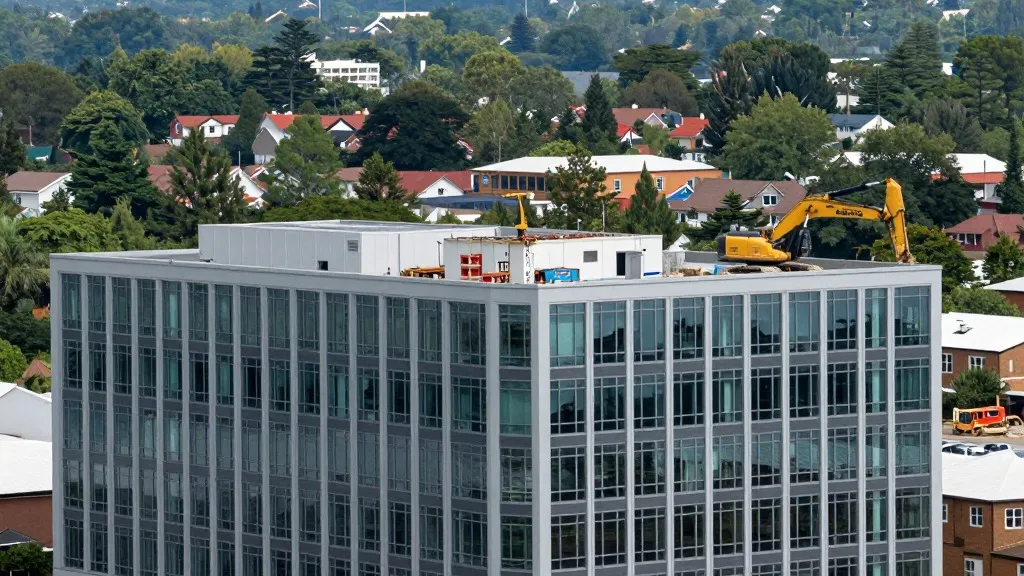
The supply chain for the Optimus program is also expanding to support mass production. In September, Tesla certified three companies, Tuopu, Joyson, and Sanhua, as mass production partners for key robot components. Additionally, a larger dedicated factory for Optimus is under construction at Giga Texas. Recent drone footage has shown the steel frame of the new facility nearing completion. Musk has identified this new plant as the long-term hub for production, with a target annual capacity of 10 million robots.
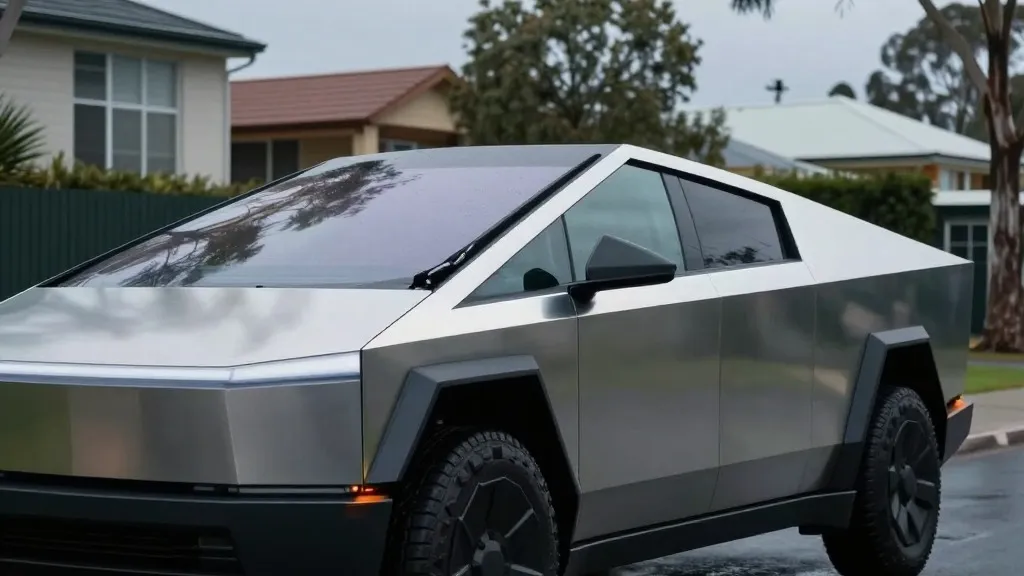
Tesla executives noted that the production costs for Optimus are trending toward the expected manufacturing costs of the Cybercab. This alignment suggests that the robot is being engineered for high-volume production from the outset. Despite this progress, the robot's hands remain the most complex component of the design. Musk highlighted this challenge during the X Takeover event earlier this month, indicating that a significant portion of the current engineering effort is dedicated to solving the mechanical and functional complexities of the hand assembly.
Source: Teslarati · original report published
More Business · Rip-Off Report · Report a business · Got a Story?