Community Reports Rise In ICE Activity Before Midterms
Residents and reporters in several states describe increased federal immigration enforcement while early voting climbs.
By Amanda Delgado ·
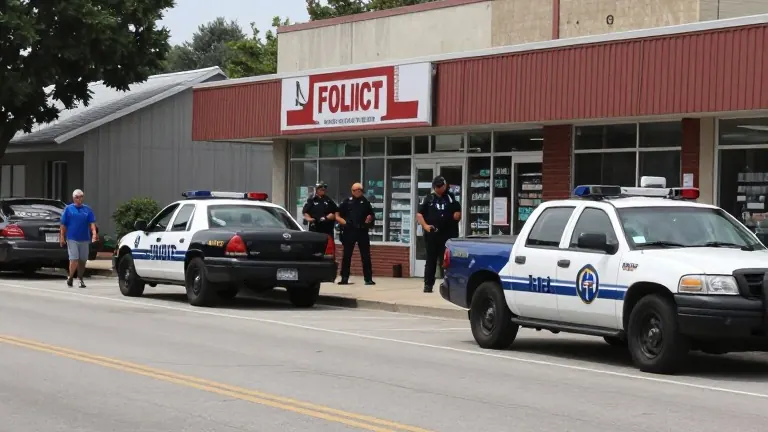
Dover, New Jersey Councilwoman Sandra Wittner began receiving messages from neighbors early Wednesday about immigration agents gathering outside a Walgreens. Reports of Immigration and Customs Enforcement activity increased across north New Jersey during the day, part of a pattern of heightened enforcement described in communities nationwide in the weeks before the midterm elections.
Wittner said residents expressed worry about what was happening. "There was definitely a lot of apprehension and fear," she said. "We just really weren't sure if something huge was about to happen. People were not feeling very comfortable or safe."
Wittner said she did not know who had been detained or where. The Department of Homeland Security no longer provides timely public information about its operations, making such incidents difficult to track as they occur.
NPR asked the agency whether enforcement had recently increased. Its response was: "ICE agents uphold our nation's immigration laws in all 50 states, seven days a week, 24 hours a day."
Tips received by NPR and its member stations during October described increased enforcement in rural Illinois, Oregon, Detroit and California. An official in New York Mayor Zohran Mamdani's office who was not authorized to speak publicly confirmed that the city has also recorded a rise in activity.
A volunteer in New York who asked not to be named, citing concerns about retaliation, said her group documents ICE operations, informs detained people of their rights, and alerts neighbors. "We're certainly witnessing an uptick in activity, and have been since the summer," she said. "In the past few weeks we've seen numerous large operations, or what we call cluster raids, multiple agents going to one spot and then the next."
In Portland, Oregon Public Broadcasting reporter Troy Brynelson described a similar pattern. "What we were seeing in early October and what we've seen continue, at least anecdotally throughout this month, is that ICE activity has really picked up in Portland," Brynelson said. He said the activity appeared concentrated in commercial areas. "I'd say it's a noticeable uptick compared to what we've seen over the summer."
Juan Proaño of the League of United Latin American Citizens said the timing ahead of the midterms concerns him. "It's not about ICE at the actual polling station, it's ICE at the perimeter of the polling station," he said. "Mass enforcement actions could be away from the polls, but with social media and the news, it could be enough to dissuade somebody from actually going out to vote."
Wendy Weiser of the Brennan Center for Justice at NYU Law School said there was no indication the operations were reducing turnout. Early voting has increased in minority communities across the country, she said. "The good news is: it isn't working. Americans are tuning this out and we are not seeing a significant impact on participation. And we are actually seeing huge surges in participation in communities of color, and in Latino communities, and in all the communities that have been targeted by ICE and DHS." Weiser also said that intimidation at polling places is illegal and should be reported.
Source: NPR