Korean adoptees demand record access and DNA testing in Seoul protest
Hundreds of former Korean adoptees from Europe and the United States gathered outside the presidential office to demand clearer pathways to their biological families.
By Rebecca Caldwell ·
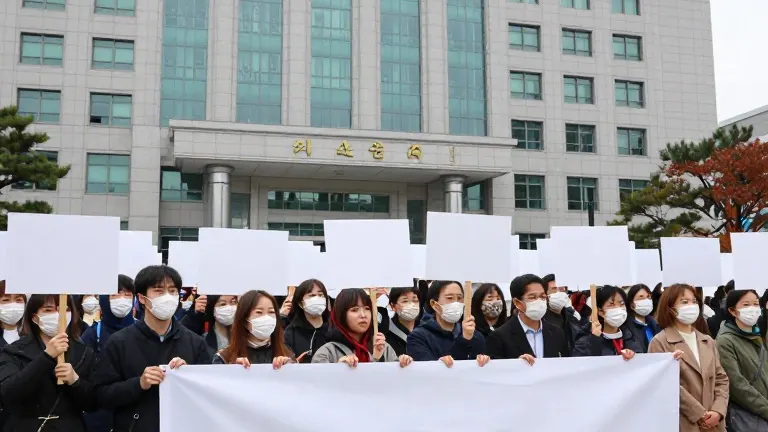
South Korean adoptees living in Western nations confronted the government on Friday outside the presidential office in Seoul. They demanded full access to their adoption files and increased efforts to locate biological relatives. The group argued that current records are often inaccurate or falsified, which stalls their search for family connections.
The demonstration followed a meeting of hundreds of Korean adoptees in Seoul last week. It coincides with President Lee Jae Myung's administration weighing major reforms to post-adoption policies. These policies have long faced criticism from the adoptee community for being insufficient and opaque.
A statement signed by nine adoptee organizations from Europe and the United States, along with Korean human rights advocates, outlined specific requests. The groups called for expanded DNA testing and matching services. They also sought wider access to administrative and residency records to aid in family tracing. Additionally, the signatories asked for new investigations into the manipulation of adoption records and the origins of the children involved in South Korea's historic adoption program.
The statement highlighted concerns about improper separations between children and parents. It also called for clearer avenues for reparations for those affected by widespread fraud and abuse. The protest serves as a public pressure campaign while the government deliberates on how to handle these requests.
Currently, the National Center for Children's Rights, an agency under the Ministry of Health and Welfare, oversees the process. However, authorities are considering giving the Agency for Overseas Koreans, which falls under the Ministry of Foreign Affairs, a larger role. Officials believe this agency is better positioned to streamline services and coordinate with Western countries that received Korean children, though such changes may require new legislation.
Legislators are debating multiple bills aimed at improving biological family searches. One proposal involves relaxing privacy restrictions to allow adoptees to obtain information about their parents. Under this plan, confidentiality would only be maintained if the biological parents explicitly requested it. The debate centers on balancing the adoptees' desire for information with the privacy rights of their original families.
The government's decision on which agency should lead these efforts will determine the speed and scope of future record access. The shift in focus reflects an attempt to align domestic procedures with the needs of an international community seeking answers about their origins.
Source: Pioneer Press