General Motors: Software-First Strategy
GM aims to halve vehicle development time to under three years using AI and centralized computing while expanding autonomy features.
By Camila Wisniewski ·
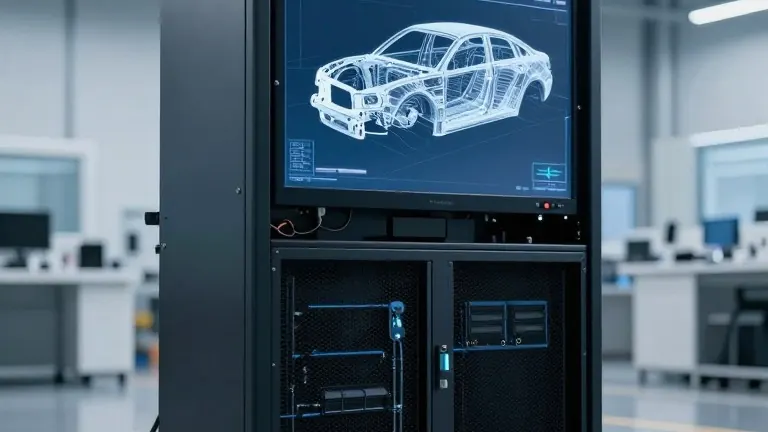
General Motors plans to reduce the timeline for developing new vehicles from four to five years to just over two by centralizing its computing architecture and integrating artificial intelligence into its engineering process. This strategic shift, announced at an event in New York City on October 20, positions the automaker to compete more aggressively against software-focused rivals like Tesla and expanding Chinese electric vehicle manufacturers.
The company introduced its "intelligence-defined vehicle" paradigm, which relies on virtualized engineering to accelerate design cycles. By using AI models trained on decades of internal data and external sources, GM intends to run thousands of virtual tests simultaneously. This approach allows engineers to optimize vehicle performance and safety without waiting for physical prototypes, a process that previously took six months for crash test validation.
Sterling Anderson, GM’s chief product officer, stated that the vehicle is becoming a "trusted, intelligent companion." He emphasized that the speed gained through virtualization improves safety coverage rather than compromising it. Anderson noted that the company is co-training its models with data beyond GM’s walls to enhance their capabilities, while keeping safety-critical inference onboard the vehicle to avoid network latency issues.
The automaker faces financial pressure as it balances multibillion-dollar investments in next-generation battery plants with ongoing software development costs. Softening demand for electric vehicles in the United States has forced GM to recalibrate its electrification strategy. The company is standardizing its electrical systems across its diverse brand portfolio to streamline software deployment, allowing engineering teams to operate more efficiently despite managing multiple distinct vehicle lines.
GM is developing autonomous driving features for personally owned vehicles, distinguishing this approach from the regional robotaxi models used by competitors like Waymo and Zoox. Anderson explained that the company will expand autonomy based on road types rather than specific geographic areas. The system is designed to operate independently but will provide a graceful countdown if the driver does not take over control, eventually bringing the vehicle to a safe stop if necessary.
The company aims to avoid the pitfalls of incremental driver assistance systems by designing fully autonomous capabilities from the start. Anderson clarified that while the system will handle non-safety-critical situations by handing control back to the driver at safe locations, it will not rely on human intervention during critical dynamic events. This strategy allows GM to leverage its large customer base for data while maintaining distinct brand identities through aesthetic and interaction design differences.
The rollout of this common electrical system is intended to eliminate the complexity that has historically slowed software updates across GM’s varied portfolio. By standardizing the hardware baseline, the company expects to ship more consistent and optimized vehicles across brands like Buick and GMC. The next phase of development will focus on expanding the autonomous capabilities to cover more road types while maintaining the high level of safety performance demonstrated in the virtual testing environments.
Source: The Verge
More Business · Rip-Off Report · Report a business · Got a Story?