Supreme Court to Decide If Home Distilling Stays a Federal Felony
The ban dates to 1868 and carries a maximum penalty of five years in prison and a $10,000 fine.
By Amanda Delgado ·
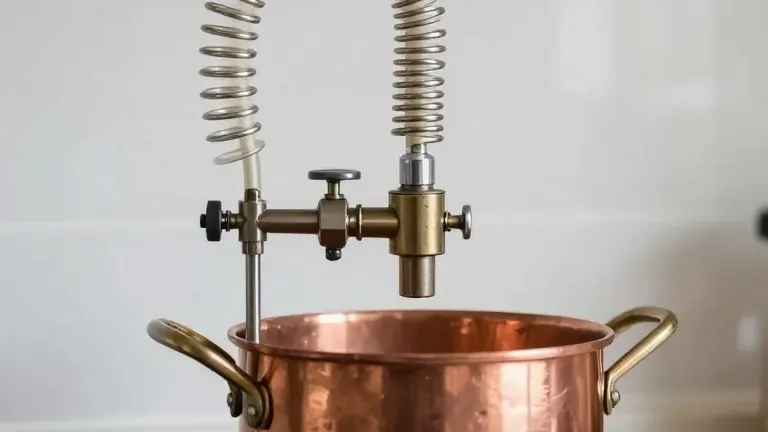
Two hobbyists in the United States face federal felony charges simply for operating stills in their homes. The Supreme Court has agreed to hear a case that could end the 1868 ban on producing distilled spirits in dwellings.
Scott McNutt, a member of the Hobby Distillers Association, received a notice from the Treasury Department in 2014. The government alleged he purchased equipment capable of producing alcohol. The notice stated that federal law provides no exemption for personal or family use.
Treasury officials warned McNutt that his actions constituted a criminal offense. They claimed the penalty included a fine of up to $500,000 and imprisonment for up to five years. The actual statutory maximum fine is $10,000, though the prison term remains accurate.
McNutt’s lawyers state he currently uses his still to distill fuel alcohol lawfully. He wants to experiment with beverage spirits. A second plaintiff, Thomas Cowdrey, also seeks to create new drinks. Cowdrey has developed a recipe for apple pie vodka.
The U.S. Court of Appeals for the 5th Circuit struck down the ban in April. Judge Edith Jones wrote that the rule is an anti-revenue provision. She noted that the ban prevents spirits from coming into existence, thereby reducing government revenue instead of raising it.
Jones argued that the provision does not fit the standard explanation of federal tax power. Congress typically leaves individuals a lawful choice to act if they are willing to pay a tax. Under the current ban, home distillers have only the choice to stop or risk fines and jail time.
The Trump administration argues the ban is a necessary and proper safeguard against tax evasion. It contends that prohibiting hard-to-detect production helps collect liquor taxes. The government wants the Supreme Court to overturn the 5th Circuit decision.
Jones warned that the government's logic has no limit. If Congress can criminalize intrastate activity because it is hard to tax, it could forbid home-based businesses or remote work. The court rejected the idea that the power to tax allows the power to ban all at-home conduct that might conceal taxable activity.
Source: Chicago Sun-Times